


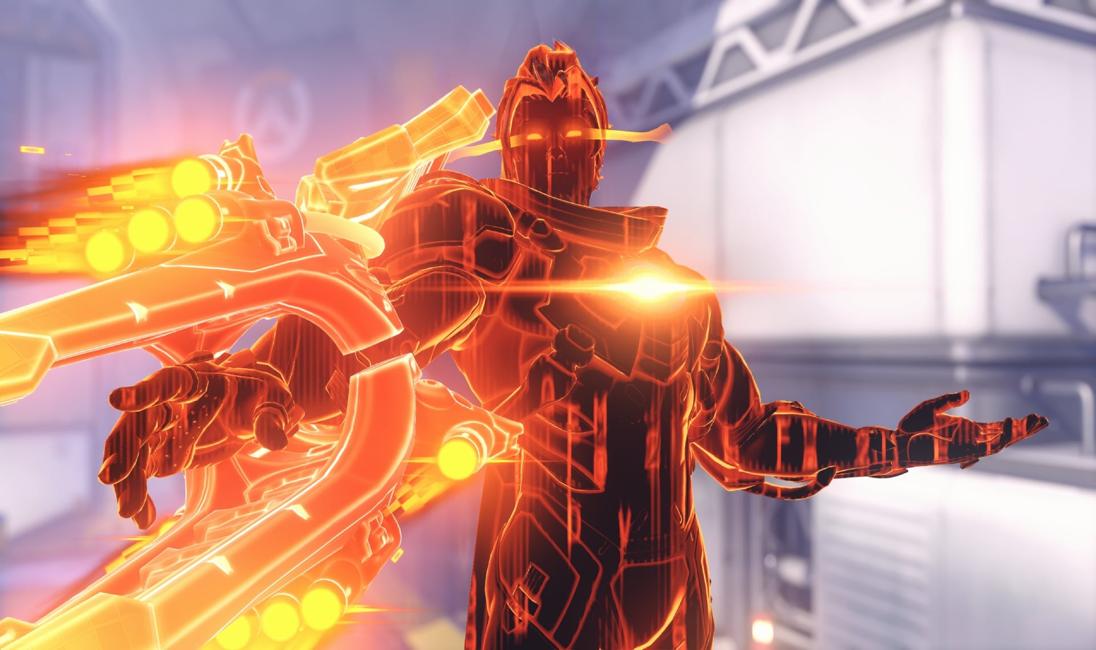
Okay, so picture this: I'm sitting here, nursing my third coffee (decaf, don't worry, but the idea of caffeine is still there), thinking about the latest bombshell dropped in the gaming world. Overwatch 2, right? We all know it. And then, blam! This new hero comes along, and suddenly, my brain just screams, "Wait, is this… Master Chief?" Seriously, it’s uncanny. And not just in a superficial, 'oh, they wear green armor' kinda way. We're talking about a fundamental shift, a vibe that just pulls the game—or at least, this hero’s part of it—straight into Halo territory. It’s wild, honestly.
I mean, I initially thought, "Nah, couldn't be. Blizzard has their own thing." But after playing a few rounds, after seeing the kit, the movement, the sheer presence… there's a definite homage, maybe even a direct inspiration. And it's not just me feeling it! Chatter online is buzzing about it. People are losing their minds, in a good way, for the most part. It’s like Overwatch decided to invite a Spartan to the party, and he brought his own energy shield and a penchant for methodical, impactful plays. The frustrating thing about some game updates is when they feel forced, but this? This feels… natural, almost inevitable, given the trends in hero shooters. The evolution, it’s just fascinating.
Echoes of a Spartan: Is This Our Overwatch Master Chief?
Let's dive into the nitty-gritty, shall we? This new hero, their abilities, everything just screams Master Chief. We're talking about an ability that feels suspiciously like an overshield, for one. A movement tech that lets you burst forward, almost like a localized slipspace jump, without breaking stride. And the primary weapon? A pulse rifle that just feels heavy, precise, and satisfying in a way that, frankly, few other weapons in Overwatch do. It’s less about spraying and praying, more about measured bursts and hitting your shots. It really changes the tempo of engagements, doesn't it? Suddenly, you're not just dodging abilities; you're thinking about positioning in a whole new, almost arena-shooter-esque way. It reminds me a bit of the strategic positioning you had to master in classic FPS titles, where every corner counted. Actually, that's not quite right... it's more like a modern take on that strategic depth, but with an Overwatch twist. It's smart, really, how they’ve integrated it.
A Different Kind of Damage Dealer
You might be wondering, how does this fit into the Overwatch sandbox? Well, here’s the thing: this hero isn't your typical high-mobility flanker or your static turret. They're this beautiful blend of sustained pressure and burst potential, capable of holding their own in a duel while also contributing massively to team pushes. Their ultimate, without giving too much away, feels like a controlled chaos — a tactical deployment that could turn the tide of a team fight. I keep coming back to this point because it's crucial: the hero rewards precise aiming and good game sense over flashy combos. It feels less like a dance and more like a calculated strike, which, again, brings me back to the disciplined combat of a certain iconic Spartan. It’s a refreshing change of pace for the damage role, emphasizing consistent output and strategic play over raw, unga-bunga damage numbers.
The Halo Effect: A New Meta in Overwatch?
So, what does this all mean for the game? It's a seismic shift, if you ask me. Adding a hero with this kind of identity—this unmistakable echo of the legendary Master Chief—is bound to shake up the meta. Suddenly, characters that thrive on close-range skirmishes might find themselves outgunned, and those who can support a more methodical push become invaluable. It’s not just about a new character; it's about a new philosophy of play entering the game. We could see a rise in more defensive compositions, or perhaps a stronger emphasis on coordinated team fire to break through this hero's defensive capabilities. It’s still early days, of course, but the potential for new strategies, new counter-plays, and entirely new team synergies is absolutely massive. It just feels like a natural progression for a live service game to constantly evolve, doesn't it?
And you know, this isn't the first time a game has borrowed inspiration from other iconic franchises. It's a rich tapestry, this gaming world. Think about it: every now and then, a developer will sneak in an Easter egg or a mechanic that just feels familiar, nodding to the greats. But this? This feels like more than a nod. It's a full-on embrace of a combat style that has captivated millions for decades. It's an interesting parallel, too, to how the gaming landscape is always shifting, sometimes bringing back older genres or blending them in new ways. This is just another brilliant example of that creative cross-pollination. What a time to be a gamer!
Frequently Asked Questions About Overwatch's New Hero
Is the new Overwatch hero actually Master Chief?
No, not officially. But the design, abilities, and overall feel bear a striking resemblance to the iconic Spartan.
How does this hero change the game?
They introduce a more methodical, precision-focused playstyle, potentially shifting the meta towards strategic positioning and team coordination.
Does this hero feel overpowered?
Early impressions suggest they're strong but balanced, rewarding skill shots and tactical awareness rather than raw stats.
Will other games get a Master Chief-like hero?
It's always possible! Developers often take inspiration from popular characters and archetypes to create fresh experiences.
So, there you have it. My two cents, scribbled down between sips of lukewarm coffee. This new Overwatch hero is more than just another character; it’s a whole statement. A love letter, perhaps, to one of gaming's greatest icons, seamlessly woven into a completely different universe. And I, for one, am here for it. Go check them out; you might just feel like you've loaded up a whole new game.
- First important point about the content
- Second point with detailed explanation
- Another noteworthy detail
- Final concluding thought