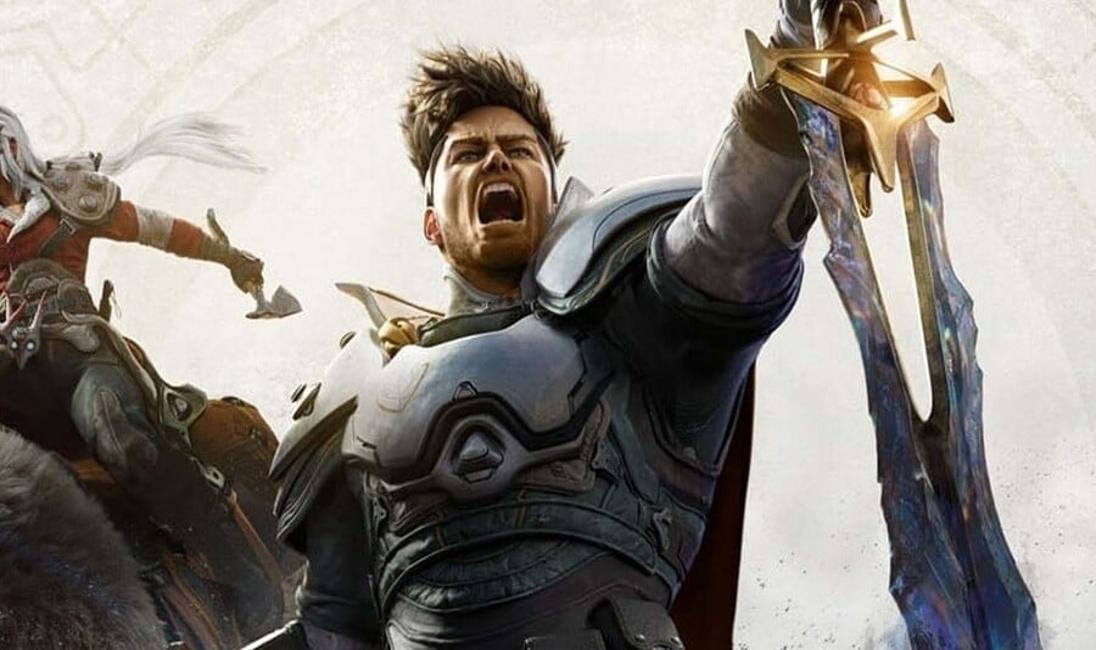
Alright, let’s talk about Highguard. I mean, where do you even begin with something like this? You watch a studio pour years, years, of their lives into a project. They push it across the finish line, celebrate (I assume, for at least a day or two), and then… two weeks later? The Highguard layoffs hit. The dev team, the very people who built the thing, are shown the door. It’s a gut punch, frankly. Every time this happens, and it happens far too often in this industry, it just makes me shake my head.
The Shockwave: Highguard's Unbelievable News
Picture it: the big launch day hype. Trailers everywhere, the community buzzing, maybe a few early access hiccups (because, let's be real, what live service shooter doesn't have those?). You're seeing the culmination of countless late nights, the sacrifices, the sheer passion of these developers. And then, less than a fortnight later, the news breaks: mass layoffs. Specifically, the team behind Highguard. It just feels… cynical, doesn't it? As if the primary goal was to get the product out, extract whatever value there was, and then shed the 'expensive' human component as quickly as possible. I initially thought, "Okay, maybe a small restructuring," but no, reports quickly confirmed it was a significant portion of the development staff. It’s a brutal cycle that gamers rarely see, tucked away behind the flashy marketing.
More Than Just Numbers: The Human Cost of Highguard Layoffs
When we talk about Highguard layoffs, we're not just discussing abstract numbers on a spreadsheet. We're talking about individuals, families even. People who moved cities, put their lives on hold, all for the dream of making games. And then, without much warning, they’re out. The emotional toll, the financial strain, the sudden uncertainty—it’s immense. I’ve seen friends go through this, and it leaves scars. It’s a stark reminder that even in an industry built on creativity and innovation, the bottom line often dictates harsh realities. And it makes me wonder, every single time, about the long-term health of an industry that treats its most valuable assets—its people—with such apparent disregard right after a monumental effort. How does this impact the next game, the morale, the future talent?
Why This Keeps Happening: A Live Service Conundrum
Actually, I keep coming back to this point because it’s crucial: why does this keep happening, especially with live service games? You'd think, wouldn't you, that a live service title requires ongoing development, constant updates, community engagement? It's not a ship you launch and then abandon. But here’s the thing: many publishers seem to view the launch as the finish line for initial development, not the start of a marathon. They front-load the budget for the big push, and if the initial sales or player retention aren't hitting unrealistic targets, the first thing to go is often the very people needed for future content. It's a gamble, always, but it often feels like a rigged one for the developers. This isn't just about industry trends; it's about a fundamental misunderstanding, or perhaps a deliberate miscalculation, of what 'live service' truly entails.
Beyond the Headlines: What's Next for the Devs and the Game?
So, what now? For the developers caught in the Highguard layoffs, it's a scramble. They’re updating their resumes, hitting up their networks, trying to find their next gig. It's a testament to their resilience that so many jump back into the fray, but each time, a little bit more of that initial spark gets, well, dulled. And for Highguard itself? The game is out there, but without a dedicated team, without the creative minds who brought it to life, its future feels incredibly tenuous. Who will fix the bugs? Who will develop the new maps, the new characters, the events that keep a live service title… alive? It almost feels like a death sentence for the game before it even had a chance to breathe. This isn't how you foster a passionate community or a thriving product. It's how you get a quickly forgotten footnote. If you're building a live service, you need a long-term vision for your team, not just your profit margin. This makes me recall earlier discussions around early player engagement and long-term game health. You need that consistent support.
FAQs About the Highguard Layoffs
Why did the Highguard dev team get laid off so quickly?
It seems like a quick decision, possibly due to the publisher assessing initial performance metrics against high expectations. If the game didn't hit projected targets fast enough, these cuts often follow.
Will Highguard still receive updates after these layoffs?
That's the big question. It's unlikely to receive the robust, consistent updates a live service game needs without a dedicated core team, though some essential maintenance might continue for a bit.
Is this a common occurrence in the gaming industry?
Unfortunately, yes. Post-launch layoffs, especially after a big push for a live service title, are a recurring and frustrating pattern within the industry.
What does this mean for the future of the Highguard game?
It's a tough road ahead. Without the original development talent, it's hard to imagine the game evolving significantly or sustaining a long-term player base. It might linger, but it's probably not thriving.